

MFMS 2026
On the morning of April 17th, 2026, the Ross School of Business was buzzing with life. The soft crinkle of metallic Steve Madden gift bags echoed through the entrance way as students waited in line for registration. After a full year of tireless work by the Student Planning Team, the 9th annual Michigan Fashion Media Summit had begun.
Attendees enjoyed breakfast treats from the Summit’s onsite vendors, including Hazel Coffee, Bloom Energy, and a cereal bar sponsored by Malk x Lovebird. Also present were a variety of booths and activations, including a display of Vivrelle’s designer bags and purses, an MFMS raffle, and an interactive photobooth. As MFMS members ushered attendees to the Robertson auditorium, MFMS Founder Ali Gropper took the stage. She commemorated the Summit’s evolution, stating that MFMS has “grown beyond just fashion” — a nod to the organization’s slogan. Co-Presidents Ryan Sweeney and Wade also Bassock reflected on their experiences as MFMS members and student leaders, recounting memorable (and comedic) moments as well as their hard work from the past four years. With that, the first panel of the day commenced.
Culture, Commerce & Calvin Klein: Inside the Mind of a CEO
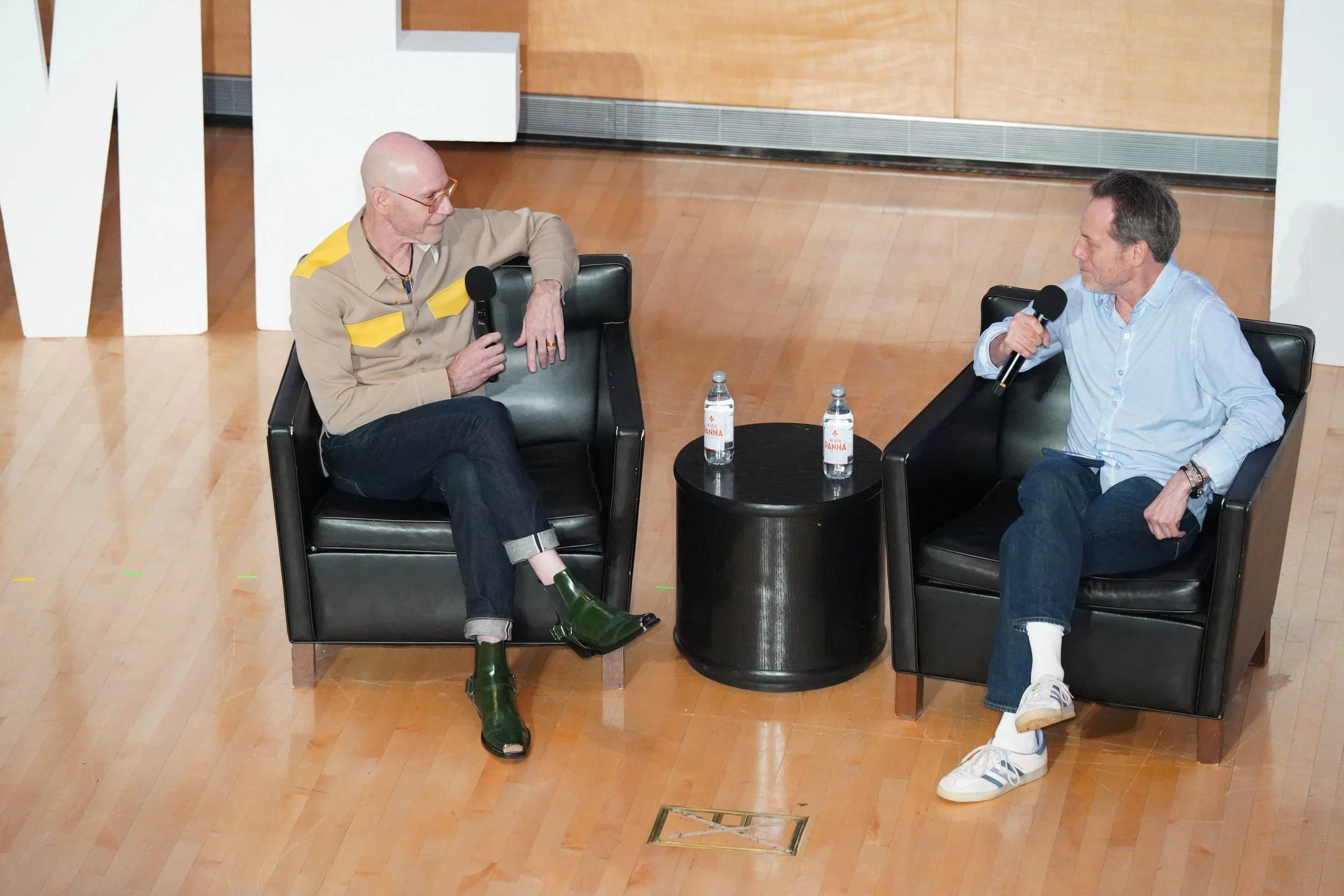
The first panel of the day featured keynote speaker Steve Shiffman, a global retail leader and the former CEO of Calvin Klein. It was moderated by Ken Pilot, founder of Ken Pilot Ventures and a veteran retail executive with experience at Gap, American Eagle, and Ralph Lauren.
The panel opened with screenings of a few renowned Calvin Klein advertisements — the infamous 1980 Brooke Shields campaign and a steamy, more recent Justin Bieber collaboration from 2015 — showing the brand’s history and evolution since almost fifty years ago. Shiffman reflected on the latter advertisement, stating that it was his first decision as a CEO. “We needed to invigorate the passion in the brand…to get the heartbeat going again,” Shiffman said, explaining that audiences no longer had an emotional connection with Calvin Klein’s sensuality and boundary-pushing style. After the Justin Bieber collaboration, “business was unbelievable.”
Pilot pivoted to questions about the current-day. “Who are you seeing [today] that’s impressing you?” he asked. “All the tech companies,” Shiffman responded, naming Apple as an example. After all, the world is now driven by technology.
When asked about Calvin Klein’s sensuality and navigating controversy, Shiffman responded, “I actually like controversy. Controversy is not an issue if the brand has always been controversial.” He even cited the American Eagle Sydney Sweeney campaign as “derivative of the Brooke Shields ad,” comparing both brands’ aim of targeting the audience with deliberate shock value. On a final note about brands, Shiffman emphasized that customers don’t always know what’s coming, or what they want. “Did we know we wanted an iPhone?” he exclaimed. “There it was!”
For the next panel featuring discussions about retail and urban design, we were honored to welcome Kenneth Himmel, the President of Related Ross Real Estate, and Webber Hudson, the Executive Vice President of Retail Leasing and Asset Management at the company.
Himmel and Hudson presented on the birth and history of department stores, malls, and urbanism across the world, giving a thorough breakdown of spaces like Hudson’s Department Store in Detroit, Macy’s in New York City, Selfridges in London, and Galeries Lafayette in Paris. Compared to modern-day “big box department stores” as the two called it, the genesis of urban retail established malls as the pinnacle of “white glove service,” culinary experiences, and entertainment. Photos of ornate, elaborately furnished buildings from the past flipped through on the screen, showcasing how architecture elevated retail.
Nowadays, department stores “[don’t] need an architect,” Himmel explained. Instead, corporations are focusing on “mixed use” development, oftentimes squeezing commercial, industrial, and residential uses into the same space — simultaneously democratizing and diluting the access to and value of retail.
Retail Renaissance: The Evolution of Luxury Experiences
The Summit was graced with the storytelling savants Madison Wooley, Sasha Mutchnik, Haley Polkes and Nic Byrom to explore the evolving role of storytelling, especially in a world where many are talking, but few are saying anything. The speakers relayed a central challenge in shaping meaning, discussing the necessity of having a point of view grounded in human experience rather than shaping content based on industry expectations–a misplaced priority leading to disconnection and loss of trust with audiences.
A recurring theme was the illusion of understanding consumers through engagement metrics alone. Viral moments and trend participation do not necessarily equal emotional resonance. There is a profound power in intention with content, and audiences can comb through what is empty and what is truthful.
Brand Storytelling: Content to Connection
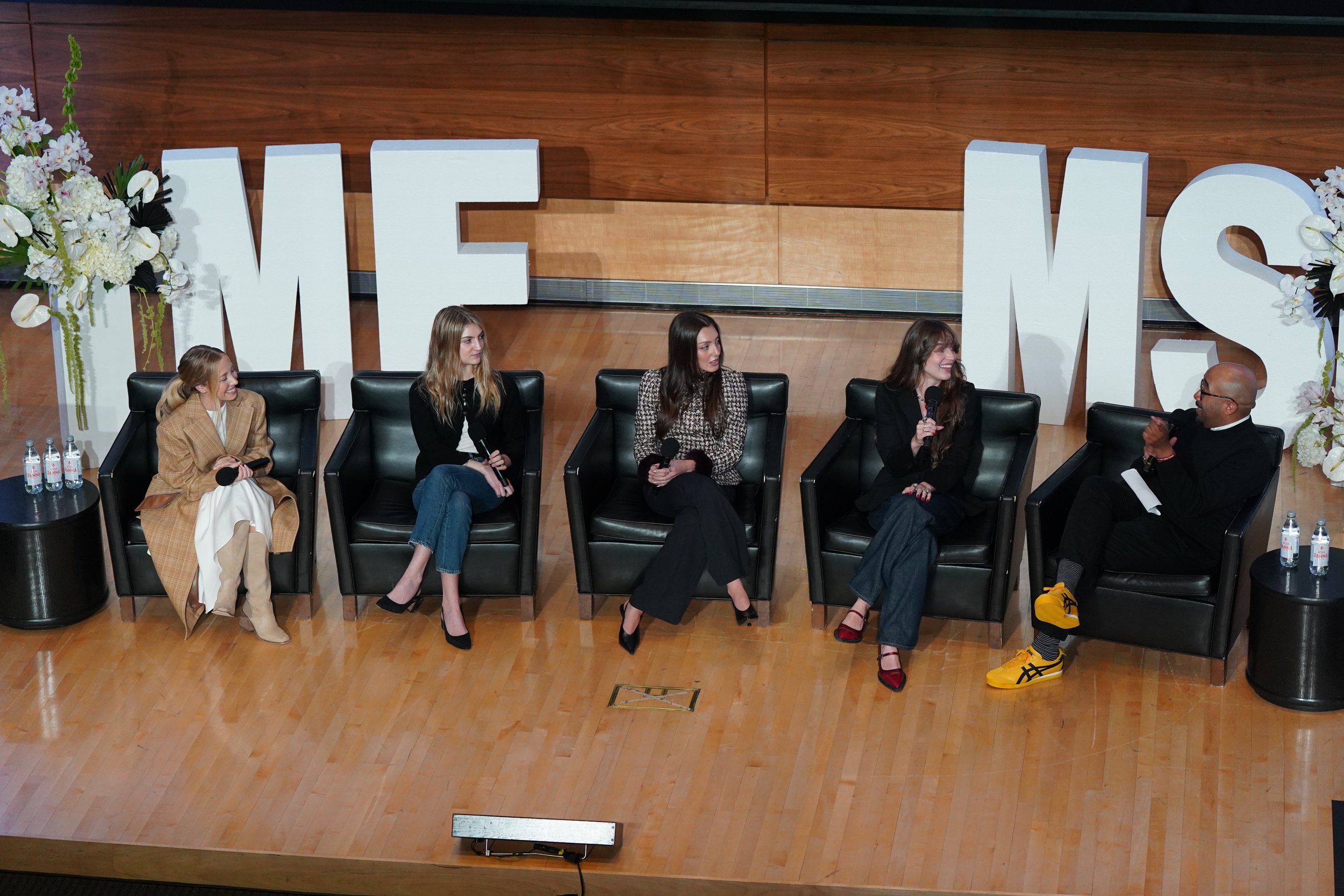
The discussion reframed authenticity as an ongoing process rather than a fixed identity. Strong storytelling requires consistency, intention, and alignment between a brand’s messaging and lived reality. The panel argued that the strongest stories are the ones that feel emotionally true rather than strategically manufactured and the importance of meeting people where conversations are already happening, contributing with the intention rather than visibility. Ultimately, storytelling is not about marketing, it is about meaning making and connecting.
Beyond the Basics: The Art of Styling
This panel of MFMS’s very own Ali Gropper and the visionary Brandon Williams challenged the idea that styling exists only at the surface level, reframing fashion as a reflection of identity, emotion, and self-expression. Speakers emphasized that styling is not simply about trends or clothing choices, but about what those choices communicate about someone’s life and sense of self.
The discussion explored tensions between accessibility and exclusivity within fashion, particularly who gets to participate in certain aesthetics and who defines what is considered stylish. Panelists also pushed back against the pressure of perfection in fashion, arguing that the most compelling style often feels lived-in rather than overly curated.
Another major theme was the relationship between styling and real life. Rather than dressing solely
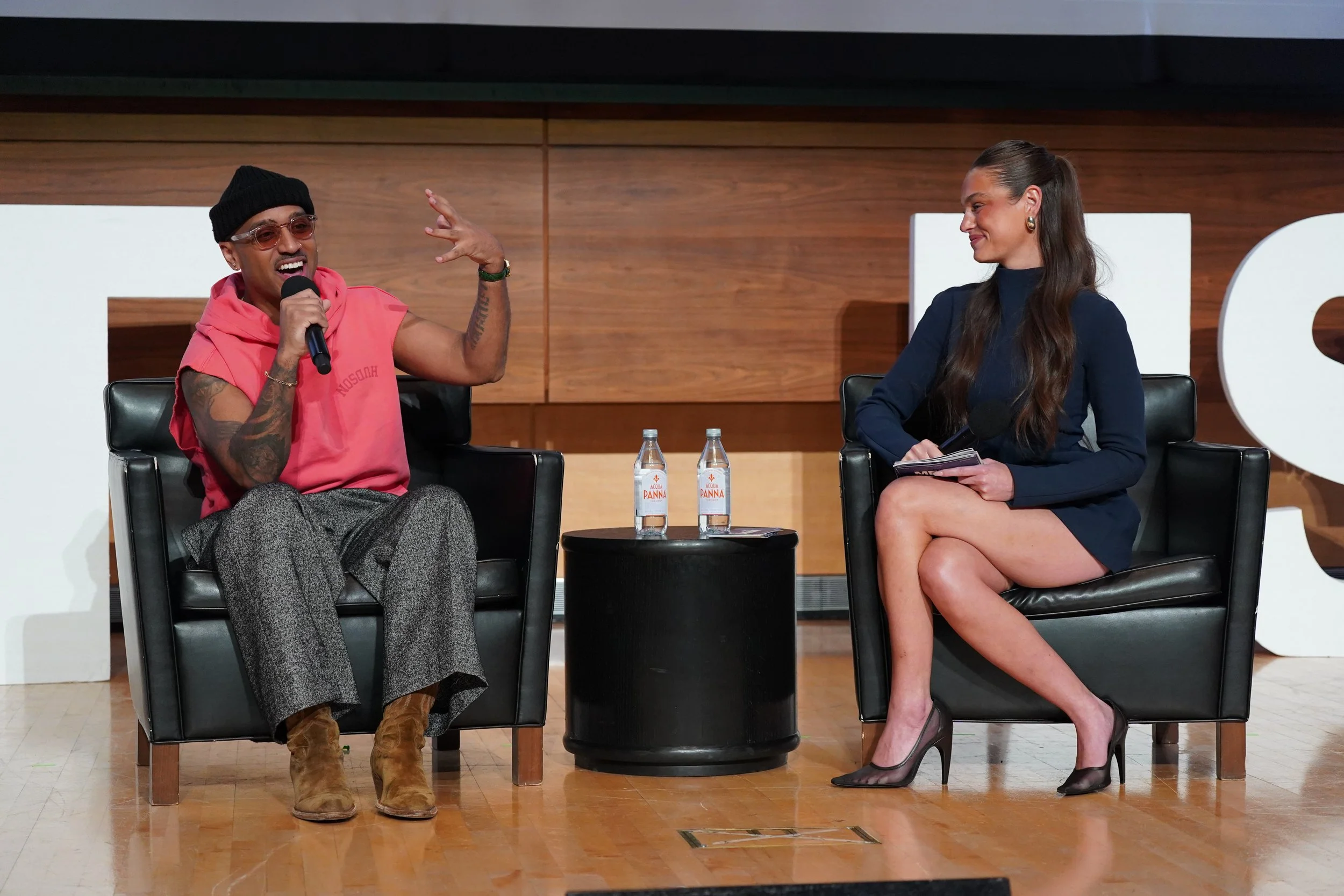
for an aspirational version of oneself, speakers encouraged creating wardrobes that support everyday realities while still allowing room for individuality and experimentation. Ultimately, the panel positioned styling as a form of communication and self-discovery rather than a set of rigid rules.
Agentic Commerce: Enhancing Consumer Experience with AI
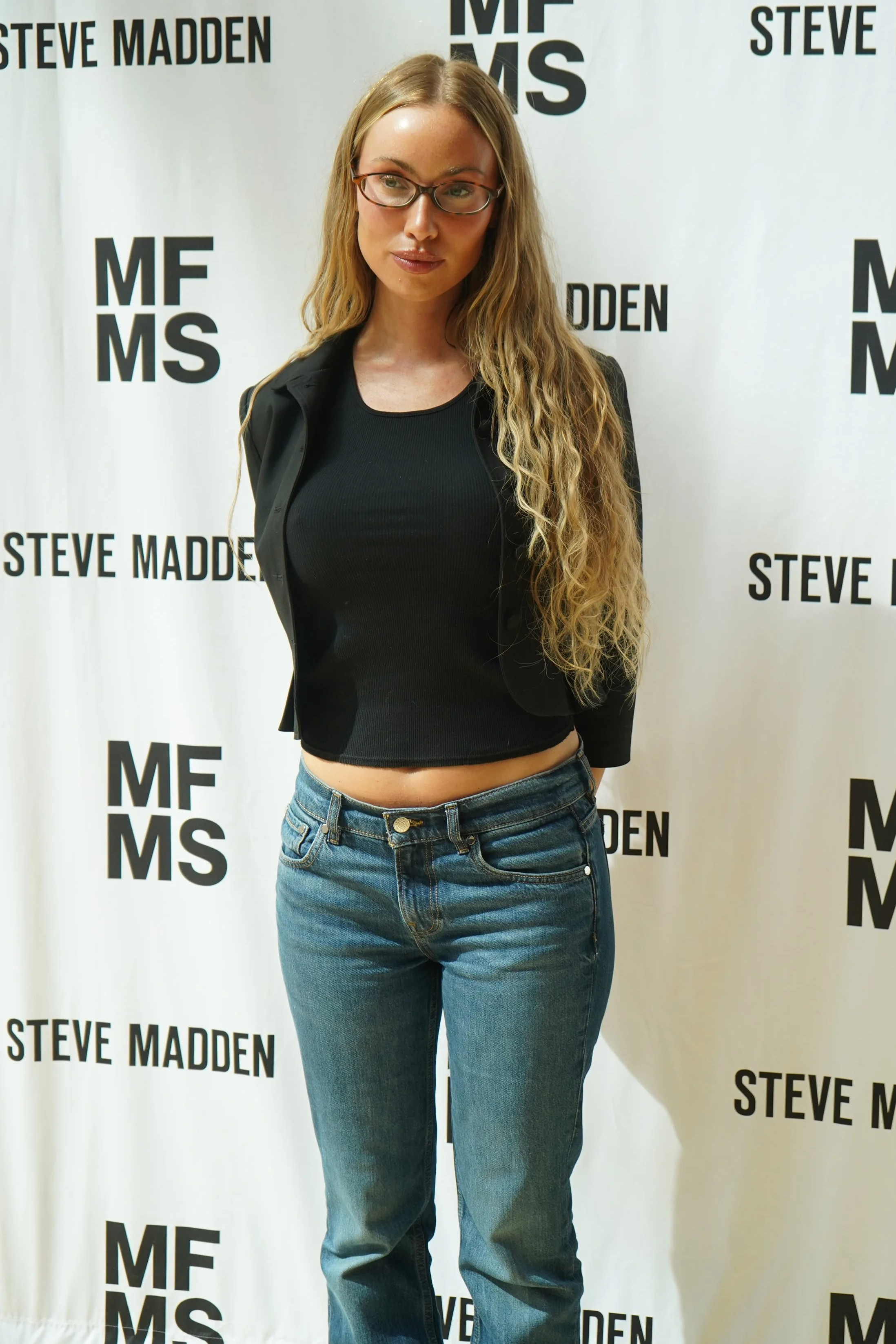
This panel tackled arguably the most pressing topic of today: artificial intelligence. It featured moderator Uma Chalik, investor at Torch Capital, joined by Grace Drettman, lead of Global Partnerships and Media Measurement at Google, Olivia Landau, Founder and CEO of The Clear Cut, and Kate Davidson Hudson, Founder and CEO of Vêtir. Each woman brought invaluable insights into how shopping, personalization, and the job market have been reconfigured in a world increasingly dominated by AI.
The speakers discussed all aspects of concern related to AI, from privacy and consent to what aspects of life are being targeted first. Through the panel, all three women emphasized that AI cannot and shouldn’t recreate the humanity behind retail. “AI helps be ahead of the curve on trends, but [it] can’t replicate creating human emotion…there’s going to be job opportunities there,” said Landau.
The question of what kind of jobs could be available in a future of artificial intelligence has been a hot topic since the start of the current AI boom. Drettman offered some insight, explaining that jobs won’t necessarily be replaced by AI, but that they would be replaced by “people who use AI better than you.” Rather than asking AI to simply regurgitate ideas from a textbook, students should use it wisely: synthesizing mass amounts of information or giving it your ideas first and then asking for feedback are two examples.
What’s In Your Bag: Building a Brand People Actually Carry
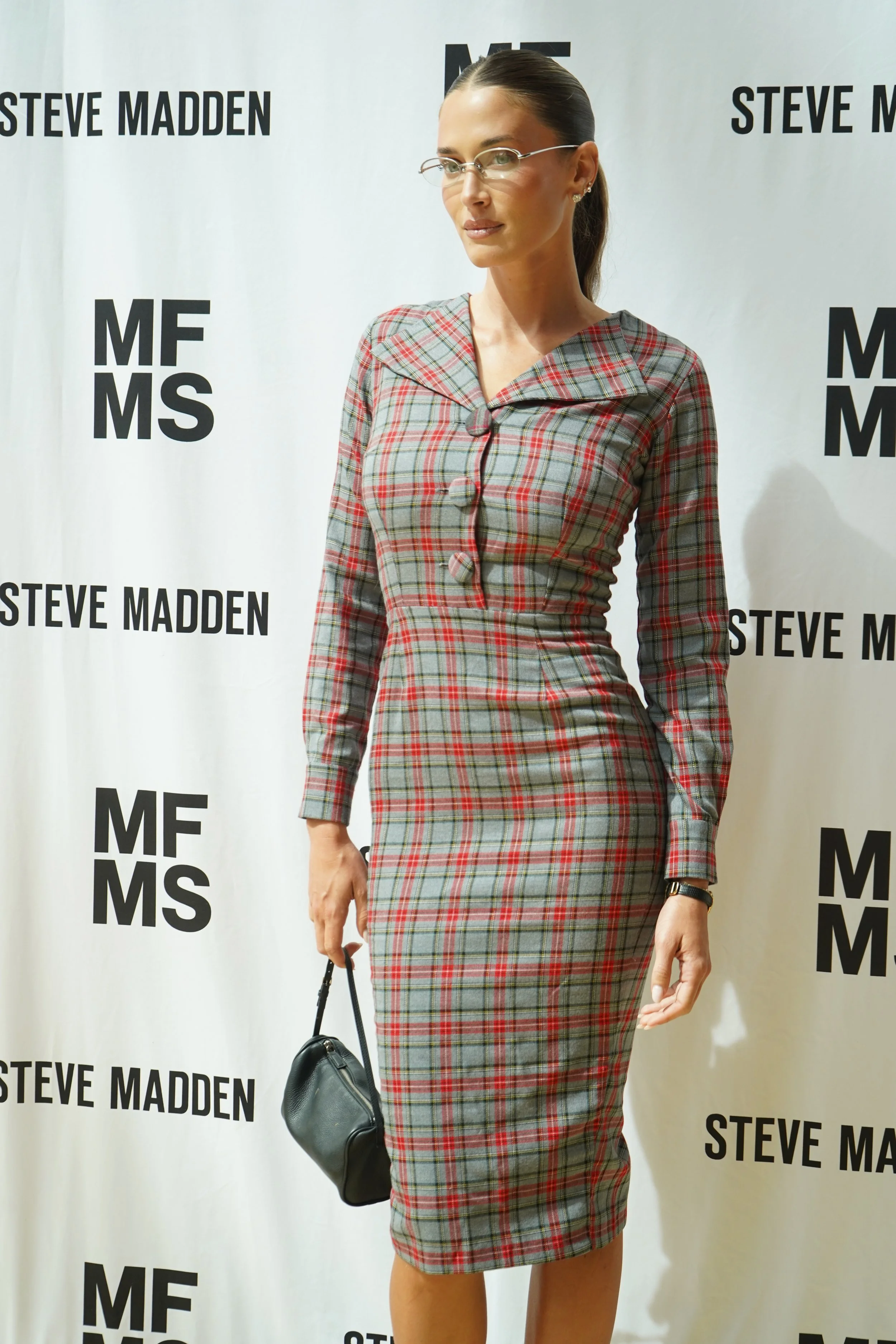
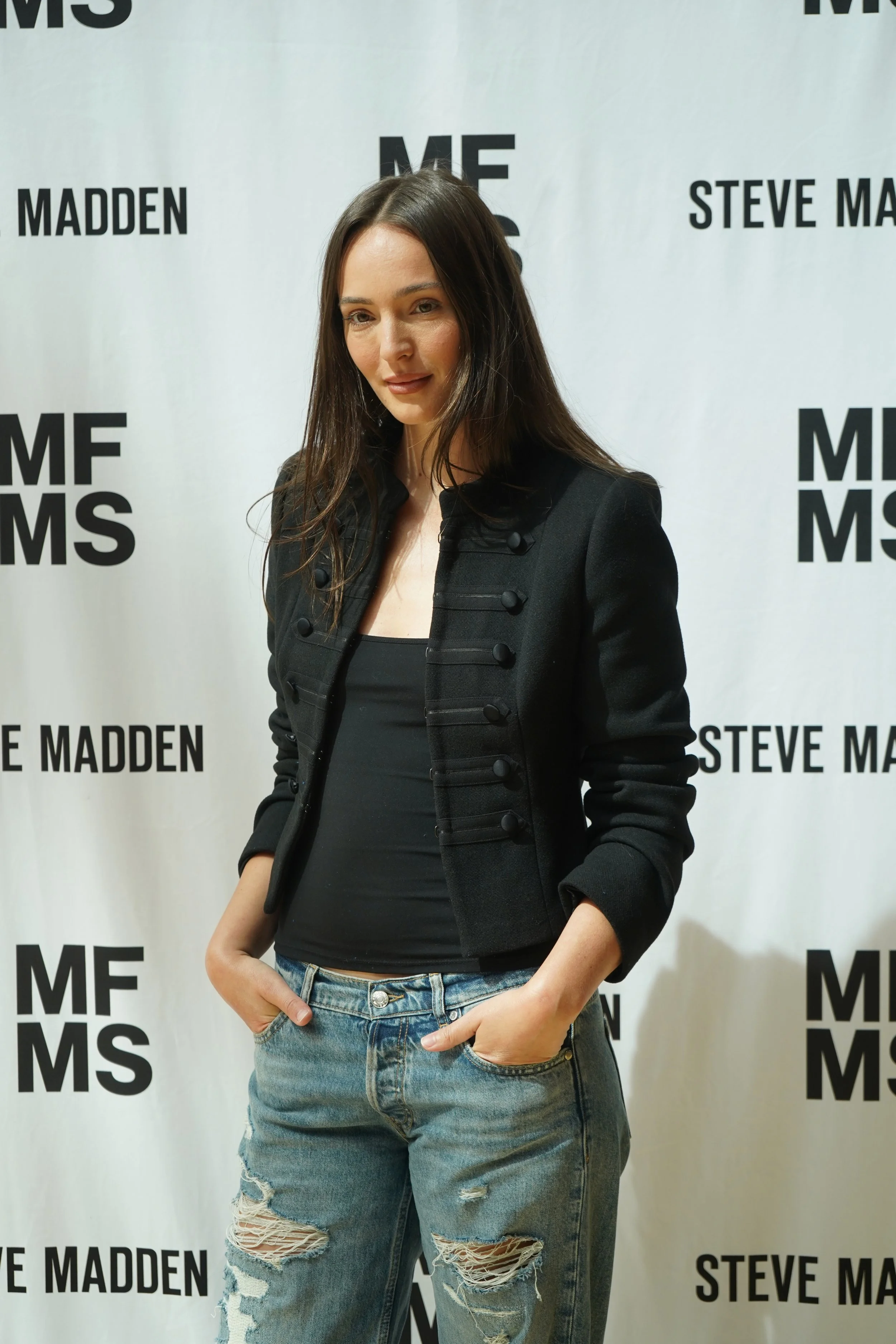
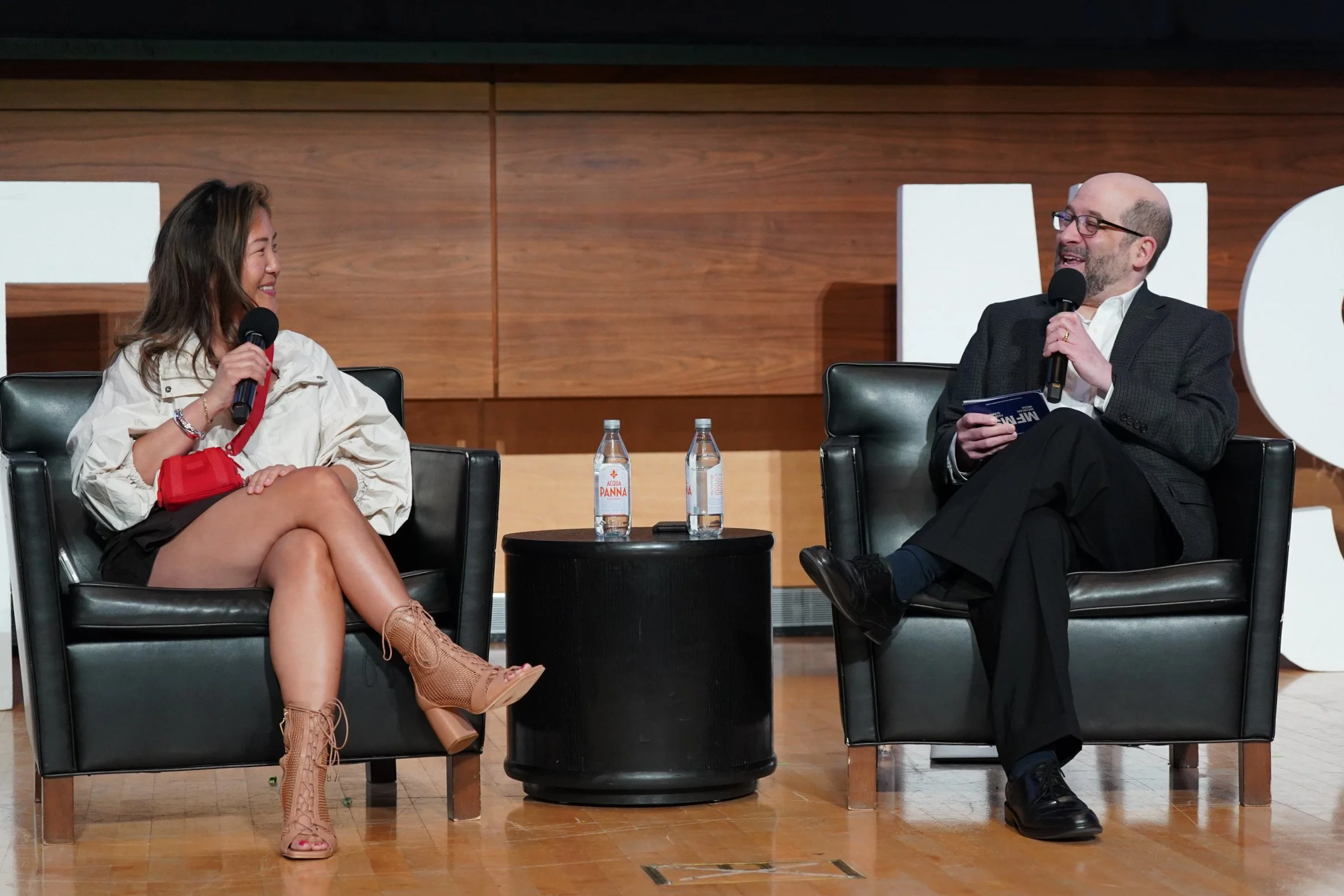
The next panel featured speaker Melissa Shin Mash, Co-Founder and CEO of Dagne Dover. It was moderated by Joshua Botkin, a lecturer in Entrepreneurship & Innovation at the Ross School of Business. Mash opened with a brief introduction of the journey of her career, starting with her role as an intern at Coach, where she took initiative by asking to interview people from other departments to learn more about the brand.
On Dagne Dover, Mash spoke about the gap in the market she had observed before starting the company. “There were some nice-looking women’s bags, but they weren’t ‘cool,’” she stated candidly, explaining that at the time, practicality and aesthetic value for women’s bags seemed to be largely mutually exclusive. Dagne Dover has certainly closed this gap — as Mash
illustrated during the panel, the brand has expanded its audience to include men, women, children, families, and elderly folk — all while maintaining its singular style.
Lastly, Mash emphasized the importance of workplace culture and how she chooses to run the company. “If you want to change the world, it has to start in the workplace,” she said. At Dagne Dover, Mash aims not to pit different departments against one another, but to be inclusive of all workers. When asked about how she balances having universal appeal while maintaining the brand’s strong sense of style, she stated, “It’s always better to overcommunicate.” Overall, Mash aims to foster a workplace environment in which everyone feels safe and welcome to voice their opinions.
Vision to Venture: Founders in Fashion
The final panel examined the realities of building a fashion brand from the ground up, focusing on authenticity, entrepreneurship, and maintaining creative identity while scaling a business. Speakers Francesa Aiello, founder of Frankies Bikinis; Danielle Guizio, founder of Guizio; and Elena Bonvincini, founder of EB Denim, reflected on the tension between growth and staying connected to the values that originally made consumers resonate with their brands.
A major point of discussion centered on the founder becoming inseparable from the brand itself. Panelists spoke about navigating visibility, deciding what parts of their personal identity to share publicly, and balancing creative intuition with the increasing pressure to rely on analytics and market trends.
The founders also discussed the operational realities of entrepreneurship, from managing cash flow to directing campaigns and overseeing creative production. Throughout the conversation, they emphasized the importance of building strong teams and remaining selective about collaborations and expansion opportunities. Ultimately, the panel framed fashion entrepreneurship as an exercise in resilience, vision, and maintaining belief in an idea long before the world fully understands it.
Closing Remarks
This Michigan Fashion Media Summit was one underscored by passion, connection and inspiration. Each panelist highlighted what we hold dear to our hearts; this is so much more than just fashion. It is showing up as your best self, helping others to do so, evoking change, embracing evolution, and having the courage to realize your dreams. A special thanks to our incredible speakers and to those who show up year after year to support a student team full of thinkers, dreamers, and doers. We cannot wait for what the future has in store.
Thank you for attending! We can’t wait to see you at MFMS 2027.
Here’s to elevating the future fabric of fashion, one step at a time.